Material Sense: Learning Texture and Surface from Fresco and Tempera
Why old tempera and fresco matter materially
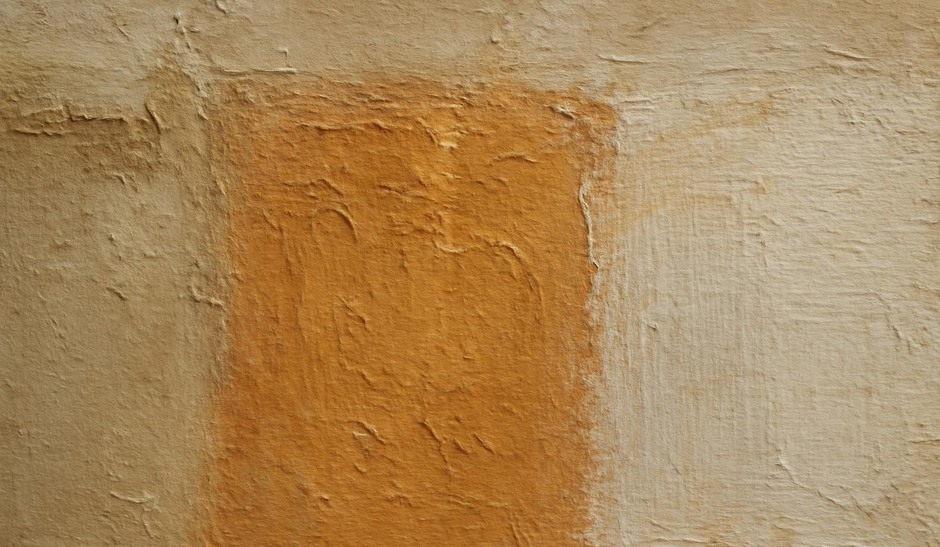
Fresco and tempera offer distinct lessons about paint as a physical process. Fresco involves pigment applied into wet plaster, which encourages decisive marks and an acceptance of texture. Tempera, traditionally made with egg binding, dries fast and favors layered, linear work. Both techniques teach awareness of surface and a humility toward correction.
Materials for modern experiments
You do not need period materials to learn the lessons. Try these substitutes: acrylic gesso or a textured ground for fresco-like tests, and a fast-drying water-mixable tempera or thin acrylic for tempera-style studies. Use palette knives, stiff brushes, and sandpaper to explore surface variation.
Three practical tests (30–60 minutes)
- Plaster ground study (40–60 minutes): Prepare a panel or heavy paper with a thin layer of gesso applied unevenly with a palette knife. While dry, draw a simple motif into the textured ground with a stick or dull tool, then paint with thin washes. The goal is to negotiate the texture and let it participate in the image.
- Rapid tempera layer (30 minutes): Use a fast-drying medium and paint several thin linear layers, allowing each to dry. Focus on building form with small, linear strokes rather than blended masses. This encourages precision and an economy of gesture.
- Surface abrasion experiment (30 minutes): Create a painted surface, let it dry, and then selectively sand or scrape areas to reveal underlayers. Observe how abrasion changes the image’s feel and where texture becomes a visual accent rather than damage.
Routine and reflection
Include one material test each week. Rotate between creating a textured ground, layering tempera-style strokes, and controlled abrasion. Keep a small log describing how the surface influenced the marks you made and whether the result felt intentional or accidental.
Applying the lessons
These exercises change how you approach any surface. When you begin to expect texture, you make different marks: more decisive strokes on rough ground, delicate linear work on smooth surfaces. The historical techniques teach respect for material constraints, and that constraint often yields distinctive, satisfying decisions.
By turning material observation into small, repeatable experiments you cultivate a tactile understanding of paint and support. That tactile sense informs all kinds of image-making and helps you choose marks that harmonise with the surface rather than fight it.