Looking Like an Old Master: Observational Warm-ups from 17th-Century Paintings
Why older paintings make useful warm-ups
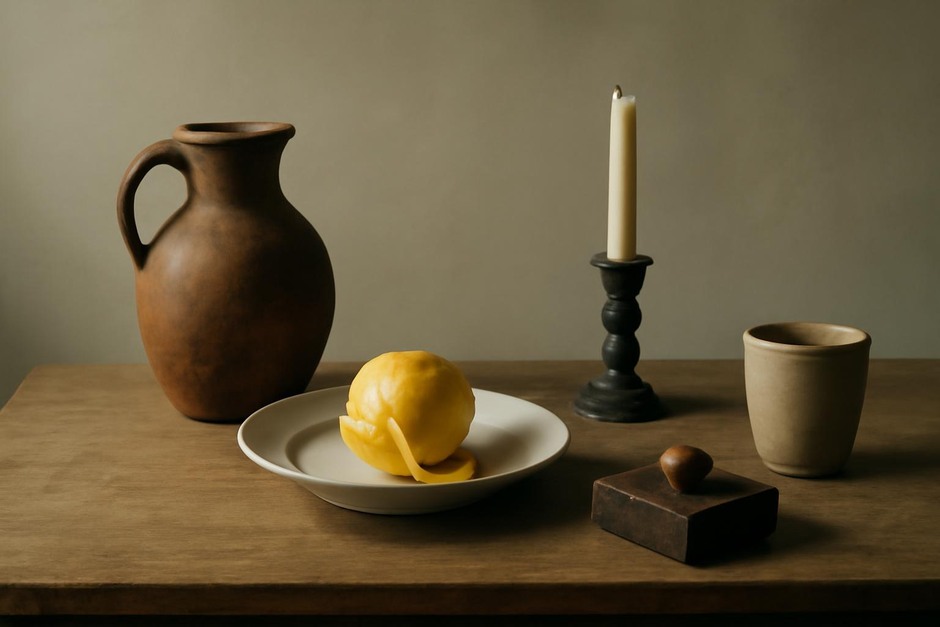
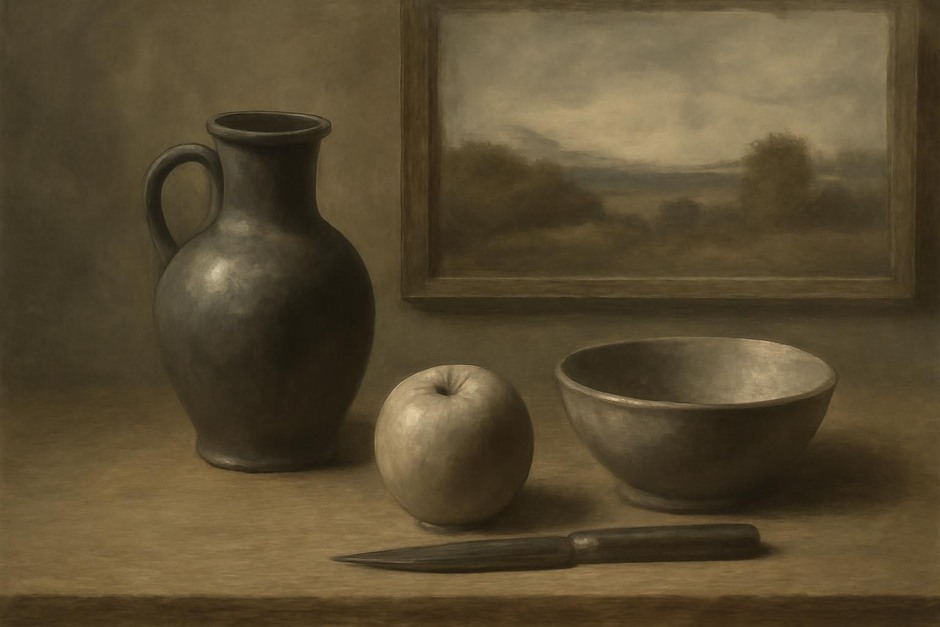
Paintings from the seventeenth century often prioritise clear tonal structures, economical modelling, and decisive edges. These qualities make them excellent sources for short, focused exercises. Rather than attempting full copies, the goal is to extract the decisions that shape the image: how contrast is deployed, where the eye is led, and which edges are held or softened.
Materials and setup
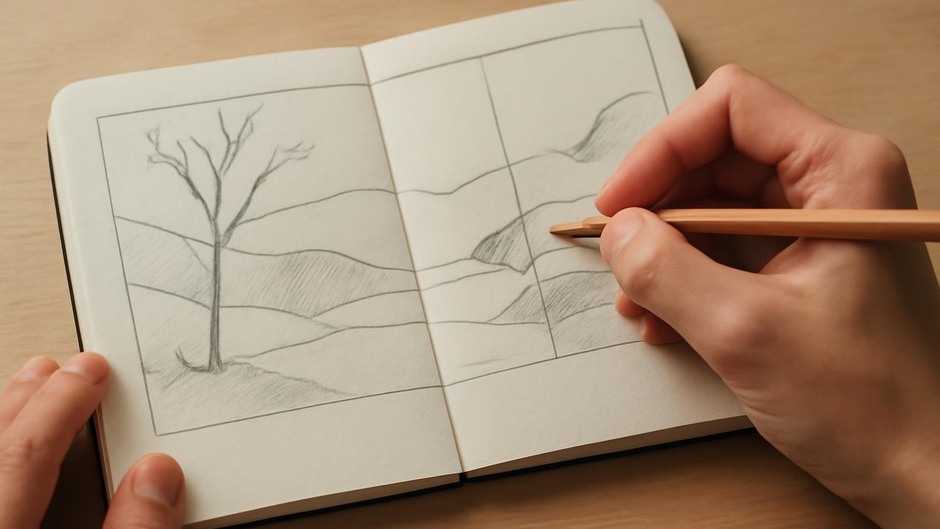
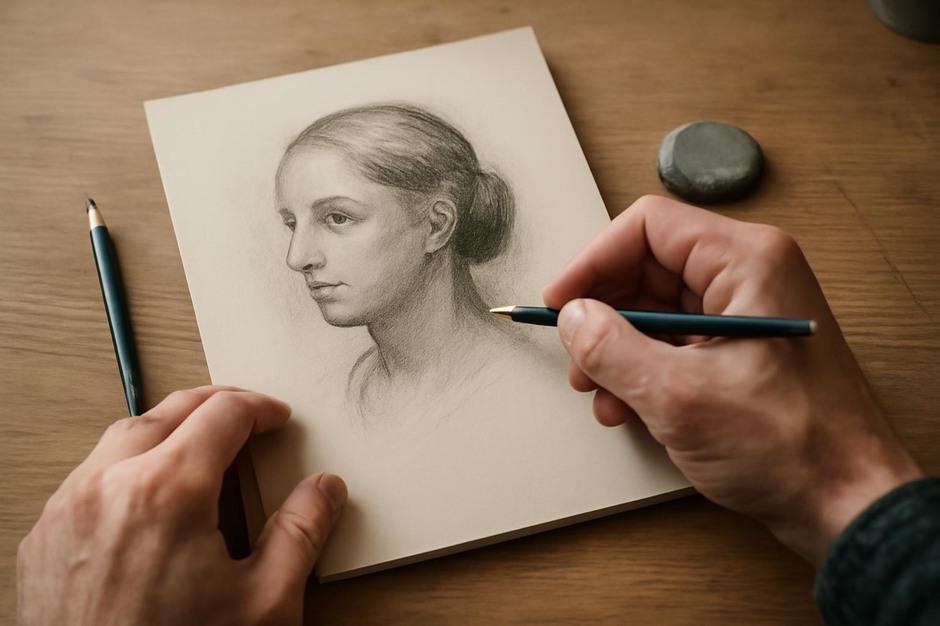
Keep materials simple. Use a small sketchbook or loose paper, a soft graphite pencil (2B), a kneaded eraser, and a tonal grey marker or charcoal stick if you like. Work with a single reference image — a cropped detail of a painting works well. Spend a minute setting up the image so you can glance between the page and the reference.
Five warm-ups (10–25 minutes each)
- Tonal block-in (10 minutes): Reduce the image to three tones: dark, middle, light. Do not draw edges. Use broad marks to indicate masses of shadow and light. This trains mass-reading and resists premature line work.
- Edge study (12 minutes): On a new page, mark only the edges where tones change, using short, confident strokes. Leave soft transitions blank. The exercise encourages selective emphasis on hard versus soft edges.
- Light source mapping (10 minutes): Identify the primary light source and mark it with a small arrow. Create a quick diagram of reflected light, cast shadows, and haloes. Annotating the drawing with short notes helps fix observational priorities.
- Gesture and contour (15 minutes): Without measuring, sketch the overall contours and the primary gesture of the subject. Keep the pencil moving. This builds a quick visual vocabulary for proportions and rhythm.
- Tone-to-line inversion (20 minutes): Begin with the tonal block-in. Once settled, overlay minimal lines to indicate essential planes, folds, or forms. This reverses the common habit of drawing then shading, reinforcing the primacy of tonal information.
Routine suggestions
Integrate one of these warm-ups into your studio time at the start of a session. Five to twenty minutes is enough to sharpen attention without tiring you. Rotate exercises across days: Tonal block-ins on Mondays, edge studies on Wednesdays, gesture sketches on Fridays. The repetition builds quick decision-making rather than rendering skill alone.
How to reflect and progress
After each warm-up, spend a minute writing two lines about what you noticed. Example prompts: Which edge felt most difficult? Did you rely on line or tone? What would you try differently next time? Keeping short notes turns isolated studies into a record of learning.
Once these short exercises feel more comfortable, extend the time slightly and combine elements. Try a 40-minute study where you begin with a tonal block-in and finish by mapping edges and refining the gesture. The progression from quick reading to extended attention mirrors how many historical studios shifted between rapid studies and finished work.
These warm-ups are not about producing finished drawings. They are compact drills that borrow the priorities of historical painting — clarity of light, decisive edges, and confident mass-making — and make them practical for daily attention and skill-building.